How to Diagnose and Fix a Car Parking Assist Fault in the UAE: Sourcing Used Proximity Sensors and Modules
Hearing a continuous beep when you shift into reverse is incredibly annoying. A dashboard warning that your park assist is unavailable makes parking in tight UAE spaces properly stressful. Having a car parking sensor not working uae is actually one of the most common electrical gremlins we face. It makes sense when you think about our harsh climate and the close-quarter driving in places like Dubai Marina or the bustling streets of Deira. Don't rely on guesswork. You don't need to pay inflated dealership prices for a complete system overhaul either. We'll walk you through a proper park aid fault diagnosis uae and show you how to source reliable replacement components from verified dealers.
Why Parking Assist Systems Fail in the UAE
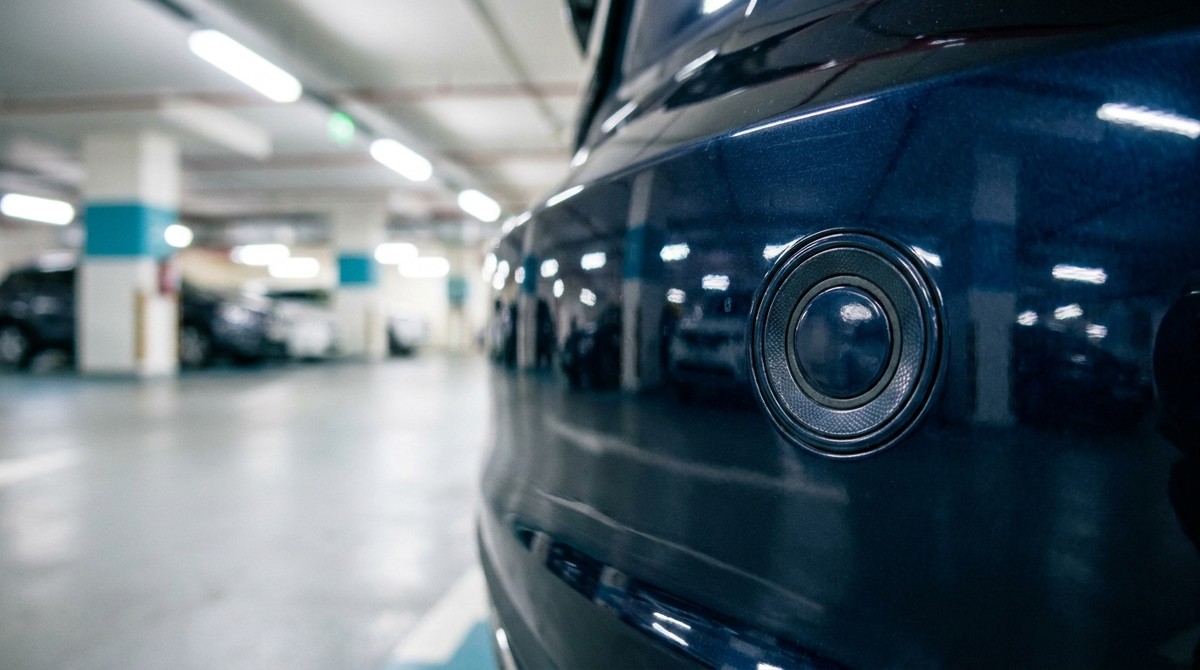
Our environment is notoriously tough on exterior vehicle electronics. Extreme summer heat, fine desert dust and minor bumper impacts are the main culprits behind parking assist failures. Ultrasonic proximity sensors sit completely exposed on the front and rear bumpers. Out there, they take a constant beating from sand and road debris. Even a thin film of baked-on dust can trick a sensor. It thinks an object is permanently pressed against the bumper, which gives you that continuous warning beep every time you engage reverse gear.
Then there are the busy mall car parks. Tight spaces often lead to minor bumper taps from other vehicles. The plastic bumper cover might show absolutely no visible damage on the outside. Behind it, though, the delicate wiring harness or the sensor head can be crushed or dislodged. Extreme heat also speeds up the degradation of plastic connectors and rubber isolation seals. Once those seals perish, moisture from high-pressure car washes seeps right in and shorts the internal circuit.
Step 1: Basic Checks for Ultrasonic Heads and System Resets
Before you assume you need to replace bumper parking sensors uae, start with the simplest solutions. The first step is always a thorough cleaning. Grab a soft microfibre cloth and a mild automotive cleaner. Give each sensor head on your front and rear bumpers a good wipe. You need to make sure there is no wax buildup, dirt or polish residue trapped in the tiny circular gap around the sensor face. That little gap is vital because it allows the sensor to vibrate and emit ultrasonic waves.
If a good clean doesn't fix it, check the vehicle fuse box. The parking assist system relies on a dedicated fuse that usually sits in the cabin footwell or boot fuse panel. Grab your owner manual to find the exact location and inspect the fuse for a blown filament. Just like tracking down a dead battery or starter motor, which we cover in our guide on How to Diagnose and Fix a Car Click-No-Start in the UAE: Sourcing Used Starter Motors and Solenoids, you'll need a bit of patience. Finally, try a hard reset. Disconnect the negative battery terminal for fifteen minutes. This simple trick often clears temporary software glitches in the parking assist module.
Step 2: Testing Individual Ultrasonic Proximity Sensors
If the system is still playing up after a reset and cleaning, you need to find the specific sensor at fault. You won't need expensive dealership diagnostic tools for this initial check. Ultrasonic sensors emit a high-frequency sound wave. When they are actively working, you can actually hear and feel this wave.
- Turn the vehicle ignition to the 'ON' position without starting the engine.
- Engage the handbrake firmly and shift the transmission into reverse to wake up the parking assist system.
- Put your ear very close to each individual sensor on the rear bumper. You should hear a faint, rapid clicking sound.
- Lightly rest your bare fingertip on the sensor face. You'll feel a very slight vibration or pulsing sensation.
If one or more sensors are completely silent while the others click away happily, those silent units are likely dead. If every single sensor is silent, the problem usually sits further up the electrical chain. You might be looking at a damaged bumper wiring harness or a failed main control module.
Step 3: Diagnosing the Parking Assist Module and Bumper Wiring Harness
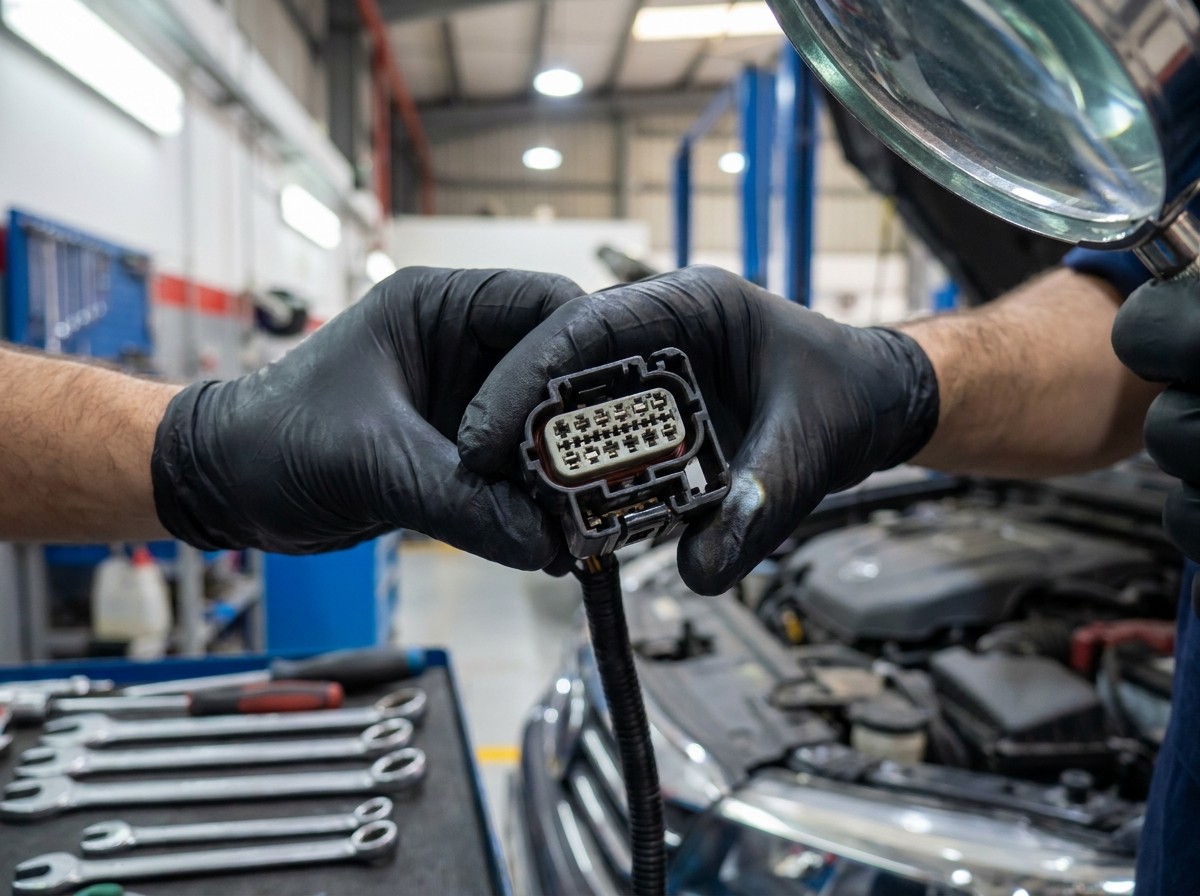
When multiple sensors fail at exactly the same time, the sensors themselves are rarely to blame. The bumper wiring harness is a very common failure point. This sub-harness connects the individual sensors to the main vehicle wiring loom. Over time, the wires chafe against the inside of the bumper support beam. The main connector can also suffer from severe water ingress. You'll need to remove the bumper cover to inspect this harness properly. Look closely for pinched wires or green corrosion on the connector pins.
If the wiring looks completely intact, the parking assist control module might be the culprit. This small computer interprets signals from the sensors and triggers your audio warnings or visual dashboard displays. You'll usually find these modules in the boot area, tucked behind the side carpet trim panels. This location makes them highly vulnerable to water leaks from damaged boot seals or blocked sunroof drains. Sourcing a used parking assist module dubai is often the smartest, most cost-effective solution if yours is water damaged.
Why Universal Aftermarket Parking Sensors Fail on GCC and Import Spec Vehicles
It's incredibly tempting to pick up a cheap, universal aftermarket parking sensor kit from a local accessory shop in Deira. Don't do it. These generic kits rarely integrate properly with modern GCC or import specification vehicles. Factory systems tie directly into the vehicle CAN bus network. They communicate seamlessly with the infotainment screen, reversing camera and instrument cluster.
Modern vehicles rely heavily on complex sensor arrays that simply cannot be replaced with generic aftermarket parts. We see this all the time with cars featured in our Tesla Model 3 Used Parts Guide: Sourcing Motors, Cooling & Panels in the UAE. Splicing aftermarket sensors into a complex network usually triggers permanent dashboard error lights. It can even disable your other advanced driver assistance systems. Cheap aftermarket sensors also lack the durability to handle UAE summer temperatures. They often fail within just a few months. Sticking to genuine OEM components is the only sensible way to ensure reliable operation.
Sourcing Used OEM Proximity Sensors and Park Assist Control Modules
Buying brand new OEM parking sensors from a main dealership is shockingly expensive. You'll often pay between 400 and 800 AED per single sensor. That doesn't even include the additional costs of painting and installation. The smartest alternative is sourcing used proximity sensors sharjah or Dubai through verified auto parts networks. A high-quality used OEM sensor performs exactly like a new one, but it costs a fraction of the price.
When you buy used sensors, colour matching is a massive advantage. Because used parts are salvaged from identical vehicles, you can often find a replacement sensor in your exact factory paint code. This saves you the massive hassle and cost of having a new, unpainted sensor colour-matched at a body shop. Always double-check that the part numbers match exactly. Sensors can vary slightly in shape, angle and connector type between different trim levels or facelift years.
Use PartsEagle to instantly connect with verified used auto parts dealers across the UAE. Just enter your vehicle chassis number and the exact part number of your faulty sensor or module. You'll receive competitive quotes from trusted suppliers across Sharjah Industrial Area and Dubai.
Installation and Calibration Tips Without Dealer Recoding
Replacing a single proximity sensor is usually a straightforward plug-and-play job. Swap out the faulty sensor and the system should recognise the new component upon the next ignition cycle. This clears the fault automatically and restores the system to full functionality. Replacing a complete parking assist control module, however, can be slightly more complex depending on the manufacturer.
Depending on your vehicle brand, a replacement module might require coding to match your vehicle identification number or specific optional extras. When sourcing a used parking assist module dubai, try to find one from a donor vehicle with the exact same specification as yours. If it does require coding, don't panic. Many independent specialist garages in the UAE have the necessary diagnostic software to pair a used module to your car. They'll do it for a fraction of the dealership fee, getting you back on the road safely and affordably.
Frequently Asked Questions
How much does it cost to replace a parking sensor in the UAE?
A brand new OEM sensor from a main dealer will set you back between 400 and 800 AED depending on the brand. Sourcing a used OEM sensor from Sharjah or Dubai typically costs between 50 and 150 AED. The best part is they are often already colour-matched to your vehicle.
Can I paint a replacement parking sensor to match my car?
Yes, but you must apply the paint very thinly. A thick layer of primer, paint and clear coat will block the ultrasonic signal, which causes the sensor to malfunction immediately. Buying a pre-painted used sensor in your exact colour code is always the safest bet.
Why does my parking sensor beep constantly when it rains?
Water can sometimes bridge the tiny gap around the sensor head, which tricks it into detecting a solid obstacle. If the beeping persists after the bumper dries out, the rubber isolation seal around the sensor has likely degraded. This allows moisture to reach the internal electronics.
Do I need to remove the entire bumper to replace a parking sensor?
It really depends on your vehicle model and the location of the faulty sensor. You can easily access some outer corner sensors by reaching behind the bumper or removing a wheel arch liner. Centre sensors, on the other hand, usually require partial or full bumper removal for proper access.
Find Verified Used Parking Sensors and Modules Now
Verified dealers across the UAE, one search away - call or WhatsApp them directly.
Search Dealers