The Sharjah-to-Dubai Markup: Why Your Garage Charges Double for Used Parts (and How to Source Directly)
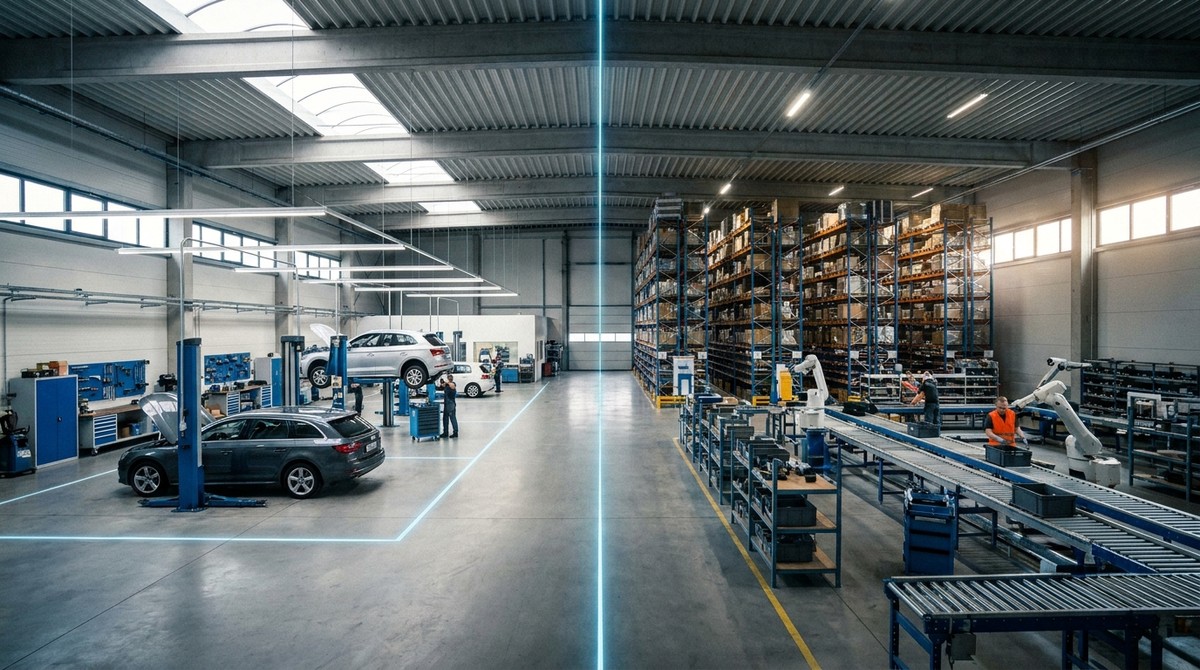
You drop your car off at a reputable Al Quoz garage for a routine service or a failed RTA test. A few hours later, you get a quote that leaves you reeling. A replacement air conditioning compressor is listed at AED 1,800, and a steering rack is pushing AED 3,500. It's a heavy hit. What most Dubai drivers don't realise is that the garage probably isn't installing brand new OEM components. Instead, they're tapping into a massive, hidden supply chain of used auto parts originating just a few kilometres away in Sharjah.
Dubai workshops are brilliant at diagnosing faults and fitting parts. But they're rarely the primary source of the components themselves. When your mechanic says they can find a good condition used part with a short warranty, they're almost certainly sending a parts runner to Sharjah. The difference between what that runner pays and what appears on your final invoice is the Sharjah-to-Dubai markup. It's a premium that catches thousands of UAE motorists off guard every single day.
The Hidden Supply Chain of UAE Auto Parts
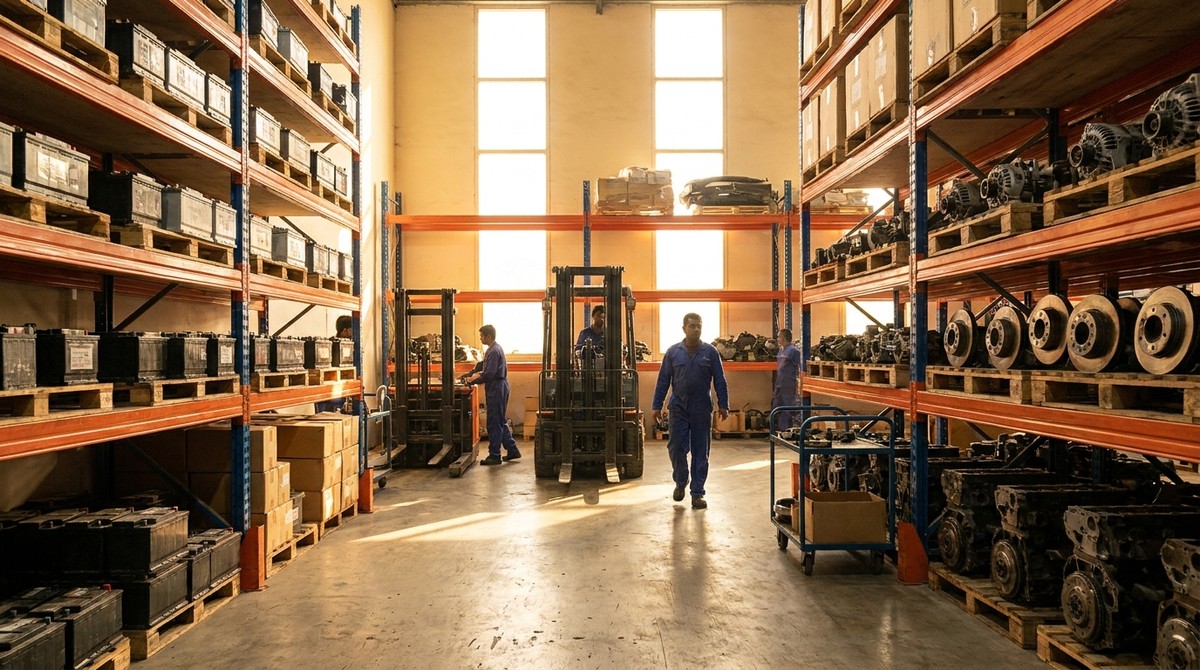
Sharjah is the undisputed hub of the used auto parts trade in the Middle East. Areas like Industrial Area 6, Industrial Area 10, and the massive Sajja scrap yards hold millions of dismantled vehicles. The journey of your replacement part usually starts in one of these yards. Vehicles written off by insurance companies or imported as half cuts from Japan, America, and Europe are meticulously stripped down. Then, the parts are catalogued and stored in warehouses across the emirate.
When a Dubai garage needs a part, they don't usually have it sitting on a shelf in their own workshop. Space in areas like Al Quoz, Ras Al Khor, and Al Qusais is simply too expensive to waste on storing bulky used parts. Instead, workshops rely on a network of runners. These are employees whose sole job is driving a small van to Sharjah. They navigate the labyrinth of the industrial areas, negotiate with scrap dealers, and haul the parts back to Dubai.
Breaking Down the Sharjah-to-Dubai Markup
If a used alternator costs AED 400 in a Sharjah yard, why does your Dubai garage invoice say AED 1,100 for the exact same component? The markup isn't always malicious price gouging, though that certainly happens. It's usually a mix of logistics, business overheads, and risk absorption. Here is exactly how a cheap Sharjah part becomes a painfully expensive Dubai invoice.
- The Cost of Logistics: The garage pays for the runner's salary, fuel, Salik toll gates, and van maintenance. A round trip from Al Quoz to Sajja can easily take three hours in heavy traffic.
- The Convenience Premium: You're paying for the absolute ease of dropping your car off and picking it up fully repaired. You don't have to do any of the legwork yourself.
- Risk and Warranty Absorption: If a used part fails within the guarantee period, the garage has to pay their runner to remove it, drive back to Sharjah, exchange it, and reinstall the replacement. They factor this potential wasted labour into the initial markup.
- Pure Profit Margin: At the end of the day, garages are businesses. Many view parts sourcing as a secondary revenue stream entirely separate from their hourly labour charges. They'll often apply a blanket 50 to 100 percent markup simply because they know most customers won't check the original price.

The RTA Testing Panic
This markup phenomenon hits hardest when a vehicle fails its annual RTA inspection. Drivers get a strict window to rectify the faults and pass the retest, creating a massive sense of urgency. Garages know perfectly well that a customer panicking over a failed emissions test or a leaking steering rack isn't going to shop around for parts.
In these high-pressure situations, mechanics often quote inflated prices for used catalytic converters, suspension arms, and tyres. They know you just want the vehicle back on the road legally. The urgency of the RTA deadline becomes a convenient tool to justify exorbitant parts pricing without any pushback.
The German Car Premium in Dubai
Things get exponentially worse if you drive a European luxury vehicle. Owners of BMW, Mercedes Benz, Audi, and Porsche vehicles suffer the most severe garage markups in the UAE. Mechanics often apply an unspoken luxury tax to the parts they source. They capitalise heavily on the customer's fear of dealership pricing.
Take a used Mercedes transmission control module. A runner might buy it in Sajja for AED 800. The Dubai workshop will then confidently quote you AED 2,800, knowing the official dealership price for a brand new unit is well over AED 7,000. Because the dealership alternative is so terrifyingly expensive, independent garages know they can inflate their used prices massively. To you, it still looks like a significant bargain.
Never accept a garage quote for a used luxury car part without checking the genuine new price from the dealership first. Sometimes, a garage's heavily marked-up used price is actually higher than buying a brand new part directly from the manufacturer's parts counter.
The Risks of Relying on Garage Sourcing
Financial sting aside, relying entirely on your workshop to source used parts introduces some real risks to the repair process. When you don't know where a part actually came from, you're entirely at the mercy of the mechanic's honesty regarding its quality and history.
- Opaque Warranties: Sharjah dealers typically offer a replacement guarantee ranging from three to fourteen days. Garages often fail to pass this exact warranty on to you. This leads to messy disputes if the part fails a month later.
- Substandard Alternatives: To maximise their profit margin, a runner might bypass reputable dealers entirely. They'll just buy the absolute cheapest, poorest condition part they can dig up in the scrap yard.
- Lack of Transparency: If you ask to see the original purchase receipt from the Sharjah yard, most garages will flat out refuse. This lack of transparency means you never truly know what you've paid for.
How to Beat the Markup and Source Directly
The most effective way to halve your car repair bills in the UAE is to separate the cost of parts from the cost of labour. You can pay your trusted Dubai mechanic a fair hourly rate for their time and expertise, but source the components yourself. This completely eliminates the middleman. It also gives you total control over the quality of the parts going into your vehicle.
In the past, this meant driving to Sharjah and wandering through dusty industrial areas in the brutal summer heat. You'd have to haggle with dozens of shop owners in broken English or Arabic. It was a deeply intimidating process that most drivers simply didn't have the time or patience to endure. Today, you can bypass that physical legwork entirely.
By using a digital marketplace like PartsEagle, you connect directly with verified used auto parts dealers across Sharjah and the wider UAE. You simply request the specific part you need using your vehicle identification number. Then, you receive competitive quotes directly from the dismantling yards and arrange delivery straight to your home or chosen Dubai garage.
- Identify the Exact Part: Ask your mechanic for the specific part name and, ideally, the manufacturer part number.
- Request Quotes Online: Submit your requirements to a network of verified dealers. This lets you see the true market value of the component.
- Compare Warranties and Condition: Choose the dealer offering the best balance of price, condition, and warranty period.
- Pay for Labour Only: Negotiate a strict labour-only fee with your mechanic for installing your customer-supplied parts.
Taking control of your parts sourcing means you pay the true market value. An AED 500 alternator remains an AED 500 alternator. Some garages might slightly increase their hourly labour rate when you supply your own parts, but the overall savings on the final invoice are almost always substantial. Once you understand the hidden supply chain between Sharjah and Dubai, you can make much smarter, cost-effective decisions the next time your car needs a repair.
Frequently Asked Questions
Can a Dubai garage refuse to install parts I buy myself from Sharjah?
Yes, some garages have a strict policy against installing customer-supplied parts because they lose out on the parts markup profit. However, there are hundreds of reputable workshops in Dubai that are perfectly happy to charge a labour-only fee for installation. It's always best to call ahead and confirm their policy before dropping off your car.
Is it safe to buy used auto parts from Sharjah scrap yards?
Yes, provided you buy from verified dealers and ensure the part comes with a clear replacement guarantee. Many used parts in Sharjah are genuine OEM components salvaged from low-mileage written-off vehicles. This makes them a high-quality and cost-effective alternative to buying brand new.
How long is the warranty on a used auto part in the UAE?
The standard replacement guarantee for used auto parts in the UAE typically ranges from three to fourteen days, depending on the component. Engines and gearboxes may come with a slightly longer guarantee of up to one month. This allows sufficient time for proper installation and road testing.
Search for verified used auto parts directly from Sharjah dealers
Verified dealers across the UAE, one search away - call or WhatsApp them directly.
Search Dealers