How the 2026 UAE Scrap Export Ban is Flooding the Market with Used OEM Parts

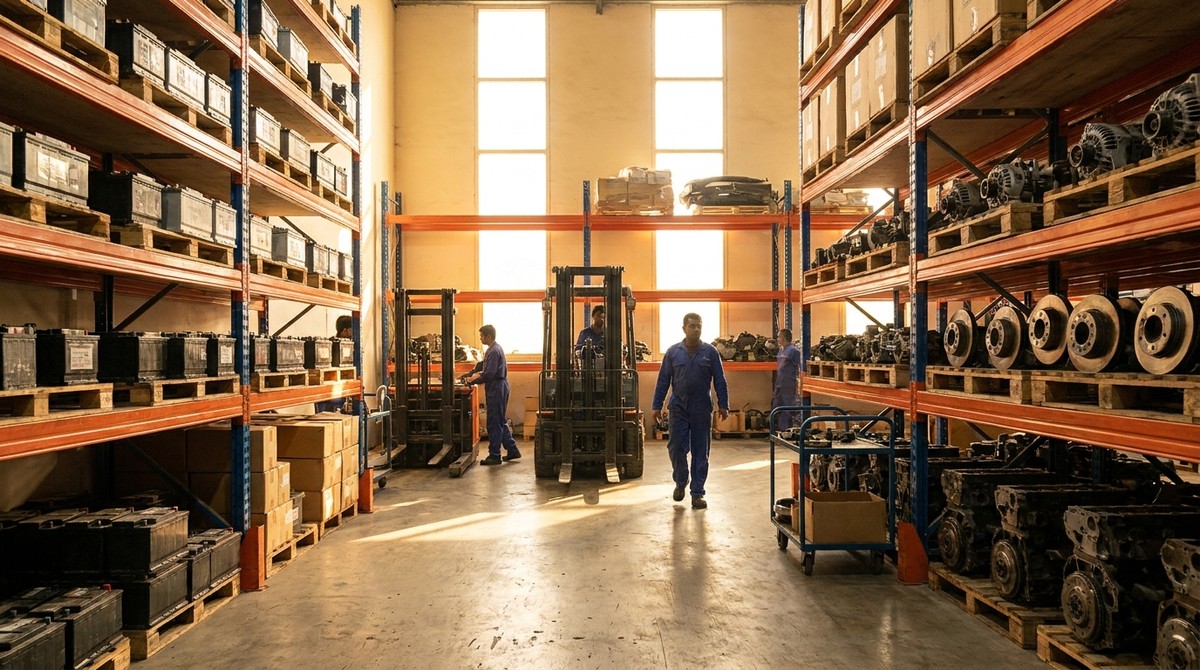
For years, written-off vehicles in the United Arab Emirates faced a quick trip through the crusher. They were then loaded onto cargo ships as raw scrap metal. But late 2026 brought a massive shift in policy that completely flipped the salvage industry on its head. Thanks to new restrictions on exporting scrap metal, our local market is now drowning in high-quality dismantled components. For drivers and fleet operators, this means a massive influx of used OEM parts across the country. It's driving down repair costs and making vehicle maintenance cheaper than ever.
Understanding Ministerial Decision No. 105: The 2026 Scrap Export Ban
The UAE scrap export ban 2026 aims to keep valuable raw materials inside the country. It supports local manufacturing and promotes a circular economy. In the past, salvage yards made easy money compressing entire vehicle shells. They'd crush wiring looms, catalytic converters, and sometimes complete drivetrains just to sell them by the tonne to overseas foundries. The new legislation heavily restricts exporting ferrous and non-ferrous metals. This forces businesses to completely rethink how they make money.
Bulk exporting isn't a quick cash grab anymore. Salvage operators must now squeeze maximum value out of every single vehicle on their lot. Instead of crushing a slightly damaged saloon for its steel weight, yards are stripping it down to the bare bones. They carefully save every functional component. Cars written off by insurance companies after minor RTA-registered accidents aren't disposable metal anymore. They're highly prized parts donors.
The Salvage Yard Pivot: Shifting to the Local Auto Parts Market
This regulatory shakeup triggered a massive pivot across the UAE auto salvage industry. Former bulk metal exporters are rapidly transforming into specialist automotive dismantlers. Sure, this transition requires more labour, better storage, and advanced diagnostic tools. But it ultimately yields a much higher return per vehicle when parts are sold individually to local drivers and independent garages.
Parts that used to be too time-consuming to remove are now flooding the market. Dismantlers are cataloguing everything from major mechanical assemblies right down to minor interior trims. They have to do this to maintain their profit margins under the new laws.
- Engine and Transmission Assemblies: Powertrains that once shipped out as mixed metal are now tested, cleaned, and catalogued for local resale. Many even come with startup guarantees.
- Body Panels and Lighting: Doors, bonnets, and pricey LED headlamps are carefully removed and stored on protective racks. They no longer get crushed with the chassis.
- Suspension and Steering Components: Steering racks, axles, and control arms are everywhere now. This offers a cheap fix for common wear and tear.
- Electronic Modules: Expensive engine control units and infotainment screens are salvaged with real precision. You finally have a solid alternative to costly dealership replacements.
If you're hunting for electrical components, always match the exact part number from your original unit. Dealers have a massive variety of modules right now, but strict compatibility is still crucial for a successful repair.
How the Ban Floods Sharjah and Dubai Scrap Yards with Premium OEM Spares
You can see the immediate results of this shift in traditional auto parts hubs across the Emirates. The Sharjah scrap market is currently overflowing with premium components, especially in places like Industrial Area 6 and Sajaa. Warehouses are stacked to the rafters with genuine parts pulled from late-model vehicles. If you're willing to look around, buying used auto parts in Sharjah Industrial Area 8 has never offered so much variety. Entire streets are now dedicated to specific vehicle brands.
Buyers searching for used OEM parts Dubai will notice local salvage yards in Al Qusais, Al Quoz, and Ras Al Khor expanding their inventories too. Vehicles that used to be processed for export in days now spend weeks in dismantling bays. Yards make sure every single usable part is harvested. Finding an exact match for your GCC-spec or imported American-spec vehicle is easier today than it's been in a decade.

The quality of these parts is noticeably higher too. In the past, yards only saved the most pristine components from the crusher. Perfectly functional but slightly older parts were just scrapped. Now, dismantlers save parts from vehicles with minor mechanical failures that caused an insurance write-off. You can easily find immaculate interior seats, uncracked dashboards, and perfectly functioning steering columns from cars just two or three years old. This influx covers smaller exterior components as well. It's a great time to check a buyer's guide to used side and wing mirrors in the UAE if you need to replace a damaged indicator housing or mirror glass.
The Price Benefit: Why Local Scrap Retention Lowers Used Part Costs
Supply and demand heavily favour the consumer following the UAE scrap export ban 2026. Before the ban, the scarcity of certain components kept Dubai scrap yard prices quite high. This often forced drivers to settle for inferior aftermarket alternatives. Today, the market is completely saturated with used car parts UAE. Dealers have to lower their profit margins just to stay competitive and clear valuable warehouse space.
Let's look at the numbers. A genuine used AC compressor for a popular Japanese saloon might have cost AED 850 in early 2025. Now, you can easily negotiate that down to AED 450. European car owners usually face brutal dealership prices for replacement parts. But they're now finding the cost of used OEM sensors, modules, and body panels has dropped by up to 40 percent.
Garages benefit from this surplus too, but savvy drivers who source their own parts avoid standard markups entirely. Understanding the Sharjah-to-Dubai markup is essential here. Buying directly from the dismantler instead of letting your mechanic source the part can save you hundreds of dirhams on a single repair bill.
Sourcing the Surplus: Finding the Best Deals on Dismantled Parts
The market might be flooded with affordable parts, but navigating sprawling industrial areas to find the right dealer is still tough. The sheer volume of inventory means unverified sellers will sometimes try to pass off heavily worn components as premium spares. Plus, driving from yard to yard in the UAE heat just to compare prices is a miserable way to maintain your vehicle.
You need a structured approach to sourcing if you want to protect your wallet and your car. Using a dedicated digital platform lets you tap into this massive inventory without leaving your home or office. Connect directly with verified dismantlers who have adapted to the new export laws. You can easily compare prices, verify part conditions, and secure the best possible deals on genuine OEM components. The 2026 legislation created a golden era for used auto parts buyers. You just need to know exactly where to look.
Always ask the dealer about their return or exchange policy before handing over any cash. Even with the current surplus of high-quality parts, a reputable seller should offer a minimum warranty period. This is typically between three to seven days, giving your mechanic enough time to install and test the component.
Frequently Asked Questions
How does the 2026 scrap export ban affect used auto part prices in the UAE?
The ban stops salvage yards from bulk exporting scrap metal. They're now forced to dismantle cars and sell the parts locally. This massive spike in local supply has driven down the prices of used OEM parts across the UAE.
Are parts from Sharjah scrap yards reliable?
Yes, as long as you buy from verified dealers. Thanks to the export ban, yards are dismantling newer, higher-quality written-off vehicles. The premium OEM parts you find in Sharjah are usually in excellent condition.
Can I still find parts for imported American or Japanese spec cars?
Absolutely. The surplus applies to all vehicles processed in the UAE. Finding parts for imported vehicles that failed RTA inspections is actually much easier now. These cars are thoroughly stripped for spares instead of being exported as scrap.
Do used parts from Dubai scrap yards come with a warranty?
Most reputable dealers offer a short-term testing warranty. This usually ranges from three to seven days, giving your mechanic plenty of time to install the part and make sure it works perfectly.
Search used auto parts dealers on PartsEagle
Verified dealers across the UAE, one search away - call or WhatsApp them directly.
Search Dealers