How to Diagnose and Fix O2 Sensor Failures in the UAE: Sourcing Used OEM Sensors for RTA Inspections
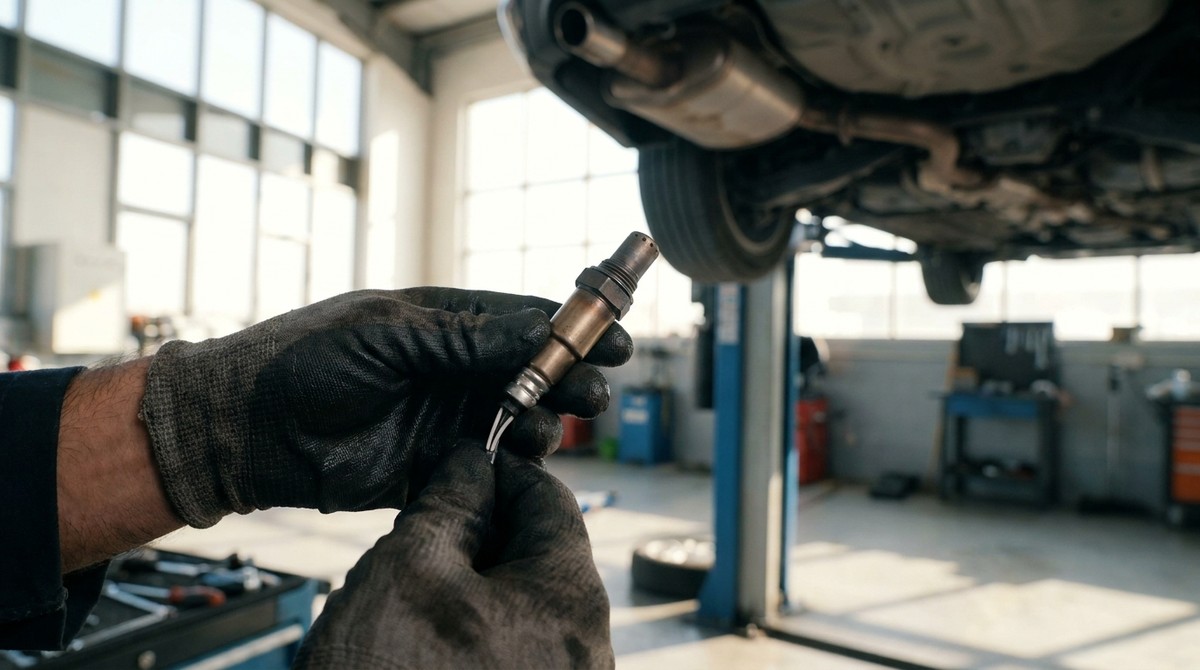
A glowing check engine light right before your annual RTA inspection is a nightmare for any UAE driver. More often than not, the culprit is a failing oxygen sensor. This small but critical component monitors unburnt oxygen in your exhaust system. It tells the engine control unit exactly how to adjust the air-fuel mixture for optimal performance and minimal emissions. When it packs up, you'll almost certainly fail the strict emission standards enforced across Dubai and the wider Emirates. That leaves you with a tight deadline to diagnose the issue, source a reliable replacement, and retest your car.
How Extreme Heat and Fuel Quality Degrade O2 Sensors in the UAE
Oxygen sensors operate in a brutal environment. They sit right inside the blistering heat of the exhaust manifold and pipework, and the ambient UAE summer heat just makes that thermal stress worse. While fuel quality in the Emirates is excellent, older vehicles or cars imported from outside the GCC often run on varying fuel grades before they get here. This leaves heavy carbon deposits on the sensor tip. Over tens of thousands of kilometres, these deposits bake onto the delicate ceramic element. The sensor's response time slows down, and eventually, it completely fails.
The RTA emission test is strict for a good reason: keeping UAE air quality high. When you take your car to testing centres like Tasjeel or Shamil, their equipment measures the Carbon Monoxide and Hydrocarbons coming out of your tailpipe. A failing oxygen sensor usually makes the engine run rich, injecting way too much fuel into the combustion chamber. All that unburnt fuel drastically spikes your hydrocarbon readings. You simply won't pass the test until a functioning OEM sensor corrects the air-fuel ratio.
Key Symptoms of a Failing Oxygen Sensor
Spotting the o2 sensor failure symptoms uae drivers frequently encounter can save you from massive catalytic converter repair bills. Since the engine control unit relies entirely on this sensor to manage fuel delivery, a single faulty reading throws the whole combustion system off balance.
- Check Engine Light: This is your first warning sign. A check engine light o2 sensor dubai mechanics diagnose daily usually points straight to a lean or rich running condition.
- RTA Emission Test Failures: If your car runs too rich, excess unburnt fuel causes high hydrocarbon readings. This guarantees you won't pass rta emission test uae requirements.
- Poor Fuel Economy: A sluggish sensor often defaults to a rich mixture. You'll notice your car drinking significantly more fuel during your daily commute down Sheikh Zayed Road or the E311.
- Rough Idling and Misfires: An incorrect air-fuel ratio makes the engine idle erratically. It might even feel like it's about to stall while you're waiting at traffic lights.
Step-by-Step Diagnostic Guide: Reading OBD-II Diagnostic Codes
Don't rush out to buy a replacement just yet. You need to confirm exactly which sensor has failed, especially since modern vehicles typically have at least two sensors per exhaust bank. Grab an OBD-II scanner and plug it into the diagnostic port beneath your steering wheel. This reveals the specific fault codes and takes all the guesswork out of the repair.
Keep an eye out for common OBD-II codes like P0131 to P0135 for upstream sensors, or P0136 to P0141 for downstream sensors. These codes tell you if the issue is a heater circuit malfunction or just a slow response rate.
If you've got an advanced scanner, you can view live data while the engine runs. A healthy upstream sensor rapidly fluctuates between 0.1 and 0.9 volts as it constantly adjusts the fuel mixture. If the voltage gets stuck at a specific number or moves sluggishly, the sensor is fouled. Downstream sensors behave differently. They should hold a relatively steady voltage around 0.45 volts, which confirms your catalytic converter is doing its job effectively.
Pro Tips for Removing a Stubborn Oxygen Sensor
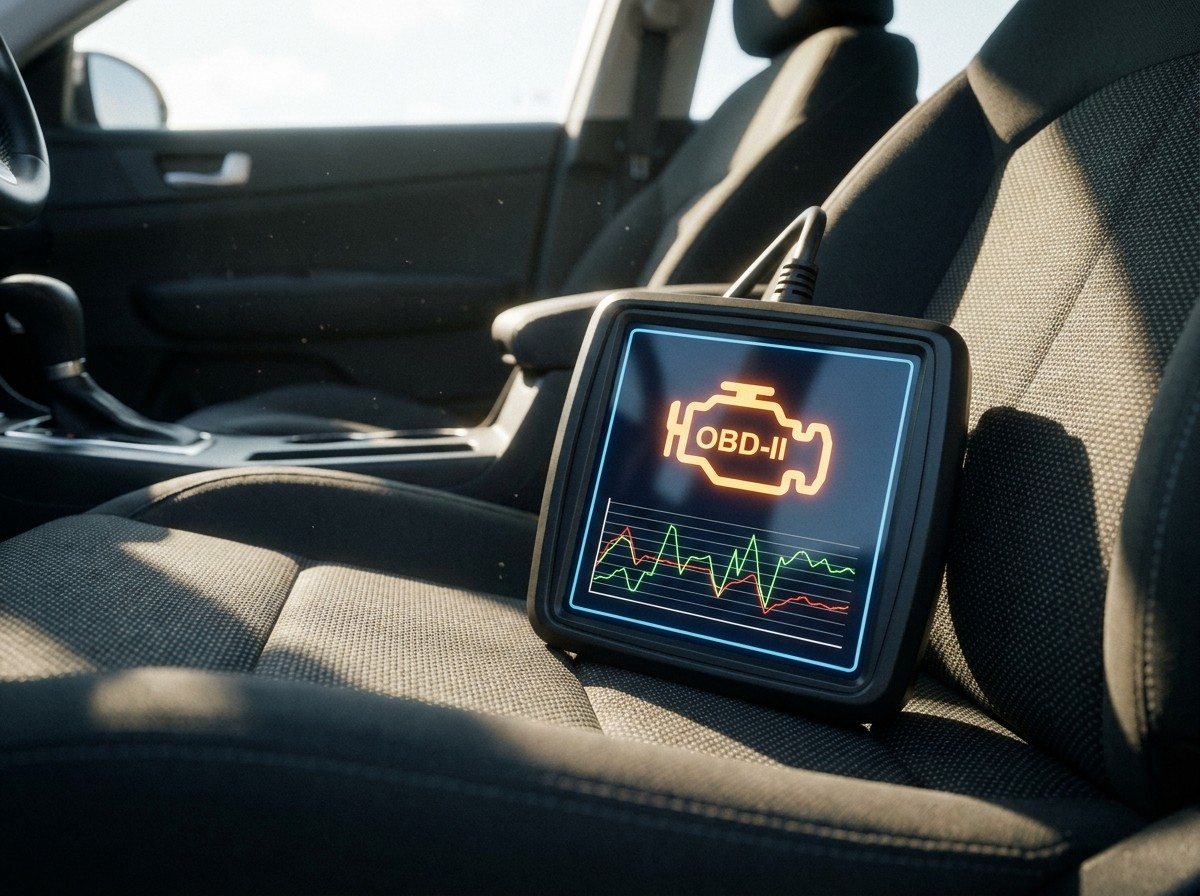
O2 sensors live in a constant cycle of extreme heat and cooling. Because of this, their threads often seize inside the exhaust bung. Don't try forcing a stuck sensor out with a standard spanner. You'll likely strip the threads and turn a quick sensor swap into a highly expensive exhaust repair.
- Use Penetrating Oil: Soak the base of the sensor in a high-quality penetrating fluid overnight. This works wonders for breaking down rust.
- Heat the Exhaust: Run the engine for a few minutes to warm up the exhaust pipe. The metal expands slightly, which helps break the rust seal. Just remember to wear heavy-duty heat-resistant gloves.
- Use a Dedicated O2 Sensor Socket: These sockets have a slit down the side for the sensor wire. They let you apply maximum torque without rounding off the hex head.
If you're modifying or restoring your exhaust system to comply with local regulations, you absolutely must ensure it's completely leak-free before the O2 sensor. Even a tiny leak can draw in outside air and trick the sensor into reading a false lean condition. For more insights on building compliant exhaust setups, check out our guide on The 2026 UAE Noise Radar Crackdown: Swapping Back to Used OEM Exhausts.
Upstream vs. Downstream Sensors: Choosing the Right Direct-Fit Used OEM Sensor
You really need to understand the difference between upstream and downstream sensors before buying replacements. Upstream sensors, often labelled as Sensor 1, sit before the catalytic converter and manage the air-fuel ratio. Downstream sensors, labelled as Sensor 2, are located after the catalytic converter to monitor its efficiency. They're rarely interchangeable. Their wire lengths, socket types, and internal calibrations differ significantly.
When replacing these components, it's always a good idea to inspect your entire exhaust system for cracks or gasket failures. If you're dealing with broader exhaust issues, our comprehensive resource on The Smart Buyer's Guide to Sourcing Used Intake and Exhaust Manifolds in the UAE is incredibly helpful. It'll point you toward related components at great prices.
Why Sourcing Verified Used OEM O2 Sensors Beats Pricey Agency Parts
When faced with a failed sensor, a lot of drivers head straight to the official agency. They end up getting quoted upwards of AED 800 for a single sensor. On the flip side, cheap aftermarket clones absolutely flood the market. These unbranded sensors usually have incorrect resistance values. Your check engine light will likely return within days, and you still won't pass your emission tests.
The smartest solution is sourcing a used OEM oxygen sensor. When you buy a genuine, tested part from a reputable dismantler in Sharjah Industrial Area or Sajja, you get the exact factory calibration your car expects. Best of all, it's a fraction of the agency price. A used oxygen sensor sharjah dealers stock typically costs between AED 100 and AED 250, depending on your vehicle's make and model.
If you drive a North American import experiencing sensor issues due to varying cooling or exhaust setups, getting the right GCC-compatible components is vital for surviving the UAE summer. You can read more about adapting imported vehicles in our article on Upgrading US-Spec Cars in the UAE: The GCC Cooling Conversion Guide.
How to Match Year, Engine Code, and Socket Types on PartsEagle
Finding the exact match for your vehicle is easy when you use PartsEagle to connect with verified used auto parts dealers across the UAE. To guarantee a plug-and-play replacement, you just need three details: your vehicle's exact year and model, the engine code, and the specific location of the failed sensor, like Bank 1 Sensor 1.
- Check the Plug Shape: O2 sensors use highly specific connectors. They range from square to rounded, usually with four or five pins. Matching the visual shape of the socket is the best way to guarantee it fits.
- Verify Wire Length: A sensor designed for the front bank might have a much shorter wire than one designed for the rear. Always measure your old sensor's wire before buying.
- Use OEM Part Numbers: If you can read the part number stamped on the metal body of your old sensor, provide it to the dealers. This guarantees an absolutely perfect match.
Instead of driving from shop to shop in the midday heat, just search for a used o2 sensor partseagle network dealers have in stock. You'll receive competitive quotes for genuine, tested OEM sensors straight to your phone. It's the easiest way to fix your car, clear those dashboard lights, and pass your RTA inspection with total confidence.
Frequently Asked Questions
How much does a used OEM oxygen sensor cost in the UAE?
A verified used OEM oxygen sensor from Sharjah or Dubai industrial areas typically runs between AED 100 and AED 300. The exact price depends on your vehicle's make, model, and the sensor's specific location. Either way, it's significantly cheaper than buying a brand-new agency part.
Can I clean my oxygen sensor instead of replacing it?
Some mechanics might suggest cleaning the sensor tip with a wire brush or solvent, but this is rarely a long-term fix. The internal ceramic element naturally degrades over time. Sourcing a tested used OEM replacement is a far more reliable way to permanently clear that check engine light.
Will an aftermarket O2 sensor pass the RTA emission test?
Cheap aftermarket sensors often have incorrect resistance values. This triggers a check engine light or forces the engine to run rich. To guarantee you pass the RTA emission test, we highly recommend using a genuine OEM sensor, even if it's a tested used part.
How do I know if I need Bank 1 or Bank 2?
Bank 1 is always the side of the engine housing cylinder number one, while Bank 2 is the opposite side. If you have an inline four-cylinder engine, there's only one bank. You'll only ever see Bank 1 Sensor 1 (upstream) and Bank 1 Sensor 2 (downstream).
Search for verified used OEM oxygen sensors in the UAE
Verified dealers across the UAE, one search away - call or WhatsApp them directly.
Search Dealers