
Diagnose and Fix a Failing Power Steering System in the UAE
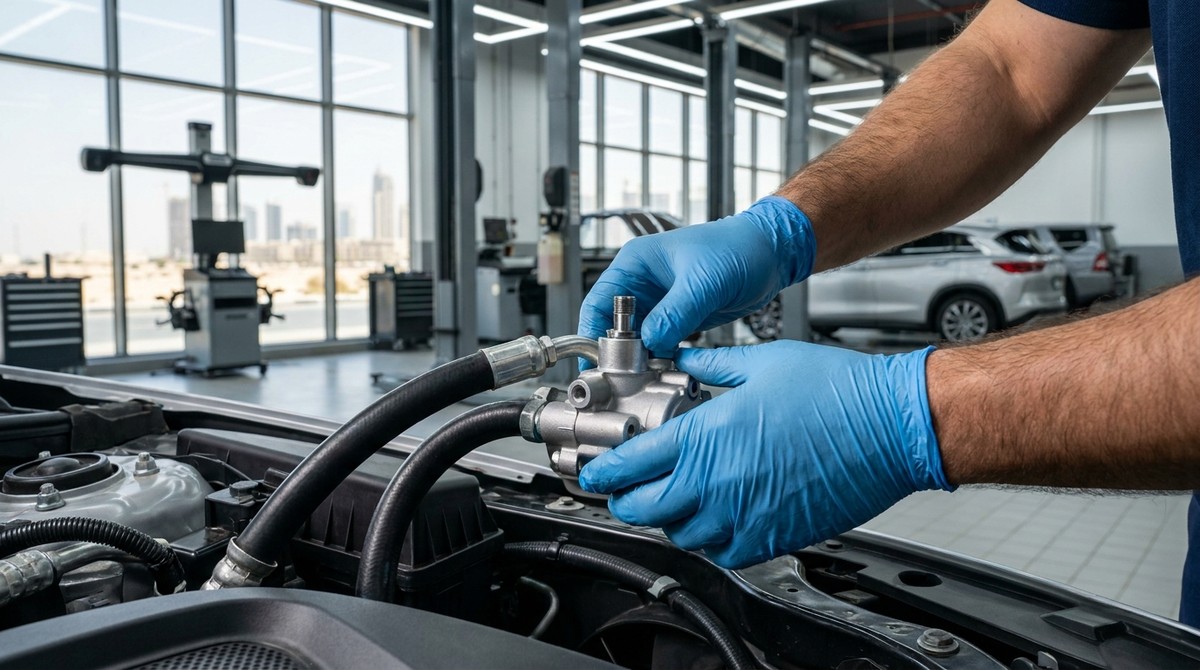
Navigating the tight multi-storey car parks of Dubai Mall or changing lanes on Sheikh Zayed Road needs smooth, responsive steering. When your wheel suddenly feels like it's set in concrete, you've got a problem. Car steering failure symptoms in the UAE are incredibly common. Our harsh climate simply eats through hydraulic seals, belts, and pumps. If you drive a heavy GCC spec SUV or just a daily commuter, catching a steering issue early saves you from a total breakdown. Let's look at how to identify the problem, fix a power steering leak, and save serious cash by sourcing a used power steering pump in Dubai or booking a reliable power steering repair in Sharjah.
Hydraulic vs. Electric Power Steering: Know Your System
Before getting your hands dirty, you need to know if you're dealing with a traditional hydraulic system or an electric setup. Older vehicles and plenty of heavy-duty SUVs in the UAE still run on hydraulic fluid and engine-driven pumps. Newer cars usually rely on electric motors attached right to the steering column or rack. If you're looking for a stiff steering wheel fix in the UAE on a modern car, you might just have a blown fuse, a tired alternator, or a dodgy steering angle sensor. Electric systems don't use fluid reservoirs or serpentine belts. You'll need an OBD2 scanner to read the fault codes instead. But whatever system you have, grabbing replacement parts from a trusted salvage yard is always your best bet for saving money.
Spotting the Warning Signs: Stiff Steering and Whining Noises
You'll usually hear a failing hydraulic steering system before you feel it. A high-pitched whining or groaning when you turn the wheel is a classic giveaway. It means your pump is starving for fluid or starting to die. Our extreme UAE summer heat breaks down hydraulic fluid fast. It loses its lubrication, causing the pump's internal parts to grind together. Then comes the physical resistance. If you need a stiff steering wheel fix in the UAE, a loss of hydraulic pressure is almost always to blame. The wheel might feel heaviest first thing in the morning and loosen up as the engine warms, but don't ignore it. Letting it slide leads to a total loss of power assistance. Trying to park or swerve out of trouble without power steering is incredibly dangerous.
Check your parking spot for fluid patches. Power steering fluid is usually red, pink, or clear. When it gets old or drips onto hot engine parts, it gives off a distinct burnt marshmallow smell.
How to Diagnose Power Steering Issues: Fluid, Belts, and Pumps
You don't always need to rush straight to a mechanic when your steering plays up. A few basic checks in your driveway can tell you if you just need a fluid top-up, a fresh belt, or a whole new pump or rack. Figuring out the exact problem stops garages from overcharging you and makes sourcing the right spare parts much easier.
- Check the fluid: Find the power steering reservoir under the bonnet. If it's below the minimum mark, you've got a leak to fix. If the fluid looks dark brown or black and smells burnt, you need a complete flush.
- Inspect the serpentine belt: A rubber belt off the engine crankshaft drives the pump. Check it for cracks, fraying, or slack. If the belt slips, the pump won't turn properly, causing your steering to feel heavy on and off.
- Hunt for leaks: Follow the hoses from the reservoir down to the pump and steering rack. Keep an eye out for wet patches or thick grime at the joints. Figuring out how to fix a power steering leak often means just swapping a cracked hose or a worn O-ring before the pump gets ruined.
- Listen to the pump: Leave the engine running, pop the bonnet, and get a mate to turn the wheel from lock to lock. A loud squealing or groaning pump usually means the internal bearings are shot and need replacing.
Why Power Steering Fails in the Gulf: Heat, Sand, and Parking
Our UAE environment is absolutely brutal on hydraulic systems. When fifty-degree summer days combine with normal engine heat, the rubber hoses and seals in your steering system get baked alive. This causes dry rot. The rubber goes brittle and eventually cracks under the high hydraulic pressure. Then you have the fine desert sand. It easily slips past torn dust boots on the steering rack, turning into an abrasive paste that chews up the inner seals and dumps your fluid. City driving in Dubai and Abu Dhabi doesn't help either. Turning the wheel while the car is dead stationary is called dry steering, and it puts massive strain on the pump and rack gears. We all have to do it in tight parking spaces, but it definitely shortens the life of your steering parts.
Replacing a Power Steering Pump or Rack: The Basics

If you've tracked the issue down to a dead pump or a leaky steering rack, swapping the part is your only real option. It restores safe handling and makes sure you pass the annual RTA inspection. A decent DIY mechanic can handle a pump replacement at home. Changing a steering rack, however, is a much bigger headache. You'll generally want a proper garage with a hoist and alignment tools for that one.
- Drain the fluid: Grab a fluid extractor and pull as much old fluid from the reservoir as you can. It saves you from making a massive mess on your driveway.
- Slip off the belt: Take a spanner to the belt tensioner, release the pressure, and slide the serpentine belt off the pump pulley.
- Disconnect the hoses: Slide a catch pan under the pump. Carefully undo the high-pressure and low-pressure lines, and watch out for the leftover fluid draining out.
- Unbolt the broken part: Take out the mounting bolts holding the pump to the engine block. If you're doing the rack, you'll need to disconnect the tie rod ends, steering column linkage, and subframe mounts.
- Fit the replacement: Bolt up your new or used pump or rack. Reconnect the hoses tightly and pop the drive belt back on.
- Bleed the air out: Fill the reservoir with the correct fluid for your car. Jack the front wheels off the ground and turn the steering wheel lock to lock a few times with the engine off. Start the engine and do it again to push out any trapped air bubbles.
Why Buying Used Steering Parts Makes Sense in the UAE
Buying brand new genuine steering parts from the main dealer is painfully expensive. You're easily looking at several thousand dirhams for a pump, and a complete steering rack costs even more. That's why the UAE's salvage market is brilliant. Sourcing a used power steering pump in Dubai or getting a power steering repair in Sharjah with recycled parts can slash your bill by up to seventy percent. Scrap yards pull these parts from low-mileage cars written off in rear-end shunts. The steering systems are completely untouched and in factory-original condition. Buying used means you get proper OEM quality instead of cheap aftermarket rubbish that melts in the Gulf heat. The industrial areas in Sharjah, especially Sajja, and Al Quoz in Dubai are absolute goldmines. They hold massive inventories for pretty much everything on the road.
Always check the exact part number stamped on your old pump or rack before buying a replacement. Even tiny differences between model years or engine sizes can leave you with the wrong mounting points or incorrect hydraulic pressure.
Finding Verified Used Steering Parts with PartsEagle
Trekking through massive UAE scrap yards to find one specific steering rack is exhausting, especially in the middle of summer. PartsEagle makes the whole job painless by bringing the used parts market right to your phone. We connect you with a solid network of verified dealers who actually specialise in steering parts. Forget driving from shop to shop and arguing over prices. Just submit a request for the exact part you need and let trusted sellers send you competitive quotes. We vet every dealer on PartsEagle to make sure they sell quality gear. That means your stiff steering wheel fix in the UAE will be both affordable and long-lasting. If you're fixing up your daily driver at home or running a busy garage, PartsEagle is the smartest way to keep cars steering smoothly and safely.
Frequently Asked Questions
Is it safe to drive with a leaking power steering rack?
No, it's highly dangerous. Losing too much fluid causes a sudden drop in power assistance. The car becomes incredibly heavy to steer, which can easily cause an accident. Running the pump dry also destroys the internals.
How much does it cost to fix a power steering leak in the UAE?
It depends entirely on the leak. Swapping a basic rubber hose usually costs between 150 and 300 AED, including labour. But if the steering rack seals are blown, you're looking at 600 to 1500 AED for a quality used rack from Sharjah or Dubai, depending on what you drive.
Can a failing power steering pump cause my car to fail its RTA inspection?
Absolutely. RTA inspectors in Dubai and across the UAE are strict about fluid leaks and steering response. If they spot a power steering fluid leak or feel any abnormal stiffness in the wheel, they'll fail the car immediately.
Are used power steering pumps reliable for UAE driving conditions?
Yes, as long as you buy from verified salvage dealers. An original used OEM pump is usually far more reliable than a cheap, brand-new aftermarket copy. The factory part was actually built to handle the intense heat and pressure of your specific car.
Find Verified Used Power Steering Parts Now
Verified dealers across the UAE, one search away - call or WhatsApp them directly.
Search Dealers

